1. Iran comments on the negotiations
The bearish sentiment got a boost last week when Iranian state television, which is controlled by the regime, announced that it had obtained a draft of the agreement currently being negotiated with the US.
According to the tightly state-controlled media outlet, the agreement would contain significant concessions to Iran. Among other things, shipping traffic through the Strait of Hormuz would be managed by Iran in cooperation with Oman. The Strait would be reopened within a month, and the US would withdraw its military forces from areas close to Iran and lift its blockade of Iranian ports.
Had the US actually accepted these terms, it would have been a highly favourable agreement for Iran. Trump would have accepted terms far better for Iran than those in the agreement originally negotiated by Obama and subsequently terminated by Trump. The agreement would also have faced criticism from the Iran hawks in the Republican Party.
It did not take long for the White House to state that the agreement the television station had referred to was completely fabricated. For the first time, Trump also threatened that Oman would be “blown up” unless it behaved “like everybody else”. Oman is, incidentally, a US ally, and the US has access to military facilities there.
Yesterday, the tensions between Iran and the US rose further. The Iranian state-controlled media outlet Tasnim wrote that Iran had immediately suspended the exchange of messages and had decided to completely block the Strait of Hormuz. At the same time, the outlet reported that Iran would activate “other fronts,” including blocking the Bab el-Mandeb Strait, the entrance to the Red Sea. It stressed that negotiations had been put on hold until Israeli operations in Lebanon and Gaza had stopped.
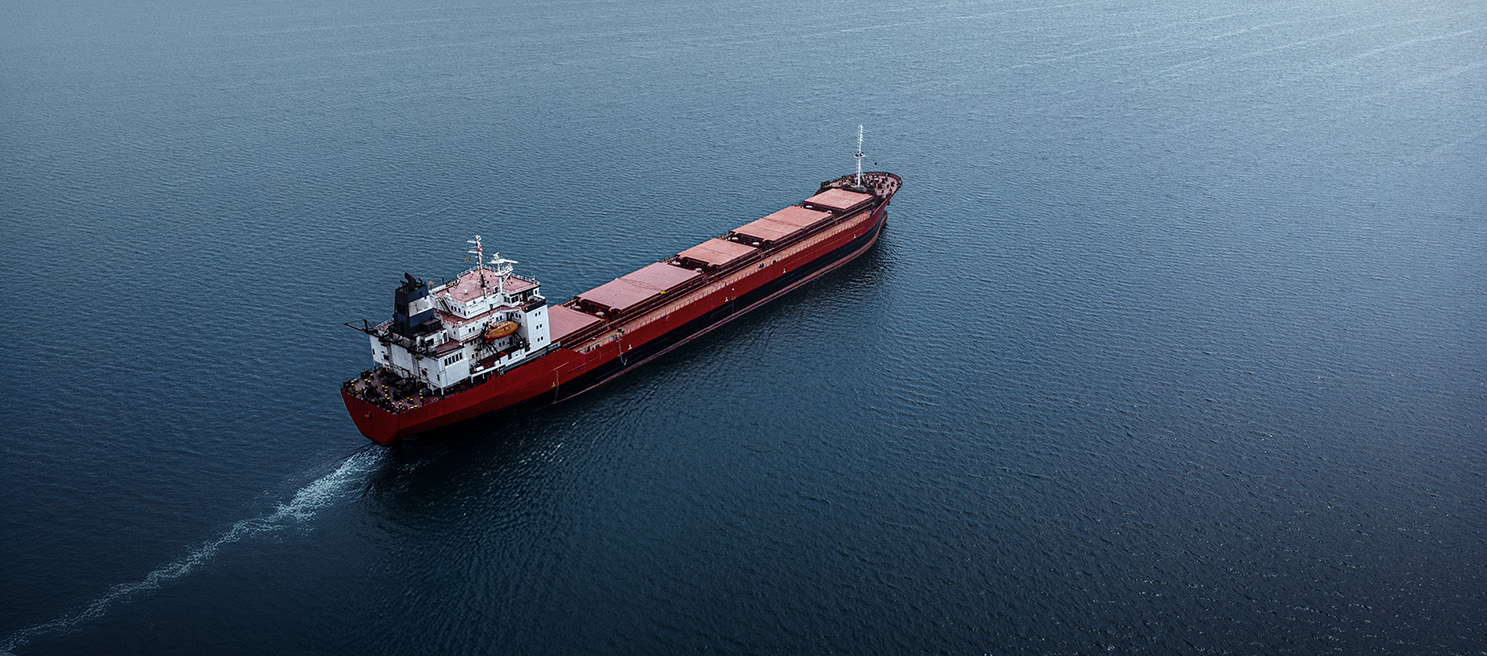
This is the first time that the Bab el-Mandeb Strait has seriously come into play from Iran’s side. If the Iran-controlled Houthis resume their attacks in the area, it will become significantly more difficult for Saudi Arabia to move its oil from Yanbu and onwards to Asia. Today, Saudi Arabia exports around six million barrels per day via Yanbu. This would primarily hit Asia, as oil can still be shipped through the Suez Canal to Europe. However, the large VLCCs, which can carry around 2 million barrels, cannot pass through the canal fully loaded. Only the smaller Suezmax vessels, carrying around one million barrels, can do that.
The statement initially sent Brent almost USD 5 higher to just below USD 98.
However, the market calmed down later in the evening after Axios reported that Lebanese officials had informed the US that Hezbollah was ready to enter into a ceasefire with Israel.
Later in the evening, Trump sent out a message saying that he had spoken with Netanyahu and that Israel would not move towards Beirut. He also wrote that, in a conversation, Hezbollah had accepted that all shooting would stop. Israel was also said to have accepted a halt to shooting. Trump also claimed that negotiations with Iran are continuing and that an agreement will be ready within a week.
Israel, however, apparently does not have quite the same view of the situation. Netanyahu stressed that operations in southern Lebanon are continuing and that Israel reserves the right to strike terrorist targets in Beirut.
This increases the risk that the situation will escalate further in the coming week, and uncertainty about whether the negotiations are continuing is high. For now, however, the market is buying into a scenario in which talks continue, and an agreement is close. Brent has therefore fallen back somewhat since Iran's initial statements yesterday and is trading at USD 95 today.