2: Natural gas/LNG: Qatar cannot reroute LNG
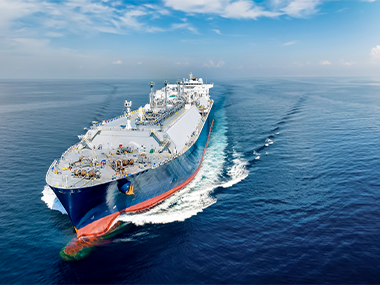
Natural gas/LNG is potentially an even more extreme chokepoint. Before the war, Qatar supplied around one-fifth of global LNG. Unlike Saudi Arabian crude oil, which can partly be rerouted through pipelines to the Red Sea, Qatari LNG has virtually no alternative route to the Strait of Hormuz.
The numbers are striking. Qatar has exported only a very small number of LNG cargoes during the first six months of the war compared with the same period last year. Higher US LNG exports have absorbed part of the shock, but they cannot fully replace Qatar. More crude is now coming out of the Middle East; that doesn’t seem to be the case for LNG.
The timing is particularly uncomfortable for Europe. EU gas storage is around 65% full compared with roughly 75% at the same time last year. Germany is only just above 50% compared with around 76% last year.
Europe therefore enters the final part of the injection season with relatively low inventories and a much tighter global LNG market.
That makes the coming winter crucial. Oil has inventories, alternative producers and alternative routes. European natural gas increasingly depends on LNG cargoes arriving at exactly the time when the rest of the world also wants them.
For clients using LNG, we saw over the summer that LNG prices in Asia were higher; it has now reversed, and LNG is now marginally higher in Europe, reflecting the European need to attract LNG.